
How to Build a Personal Sanctuary for Well-Being


Understanding the Importance of a Personal Sanctuary
In today's fast-paced world, creating a personal sanctuary can be an invaluable investment in your well-being. A personal sanctuary is a dedicated space where you can retreat, relax, and rejuvenate. It serves as a haven away from the pressures of daily life, allowing you to reconnect with yourself and restore inner peace.
Building such a space isn't just about physical comfort; it also involves cultivating an environment that supports mental and emotional health. This process can lead to improved focus, stress reduction, and overall enhanced well-being.
Choosing the Right Location
The first step in creating your sanctuary is selecting the right location. Ideally, this should be a quiet corner of your home where you can escape without frequent interruptions. Consider spaces like a spare room, an alcove, or even a section of your garden. The key is to find a spot that feels secluded and calming.
When choosing your location, pay attention to natural light and ventilation, as these elements can significantly affect the ambiance and comfort of your sanctuary. If possible, select a space with windows that allow for ample sunlight and fresh air.
Designing Your Sanctuary
Once you've chosen the perfect spot, it's time to design your sanctuary. Start by selecting furniture that promotes relaxation. Comfortable seating like a plush chair or a cozy couch can make all the difference. Incorporate soft textiles such as cushions and throws to add warmth and texture.

Personalize your space with items that bring you joy and tranquility. This might include artwork, plants, or meaningful mementos. Plants, in particular, are excellent for enhancing air quality and bringing a touch of nature indoors.
Incorporating Sensory Elements
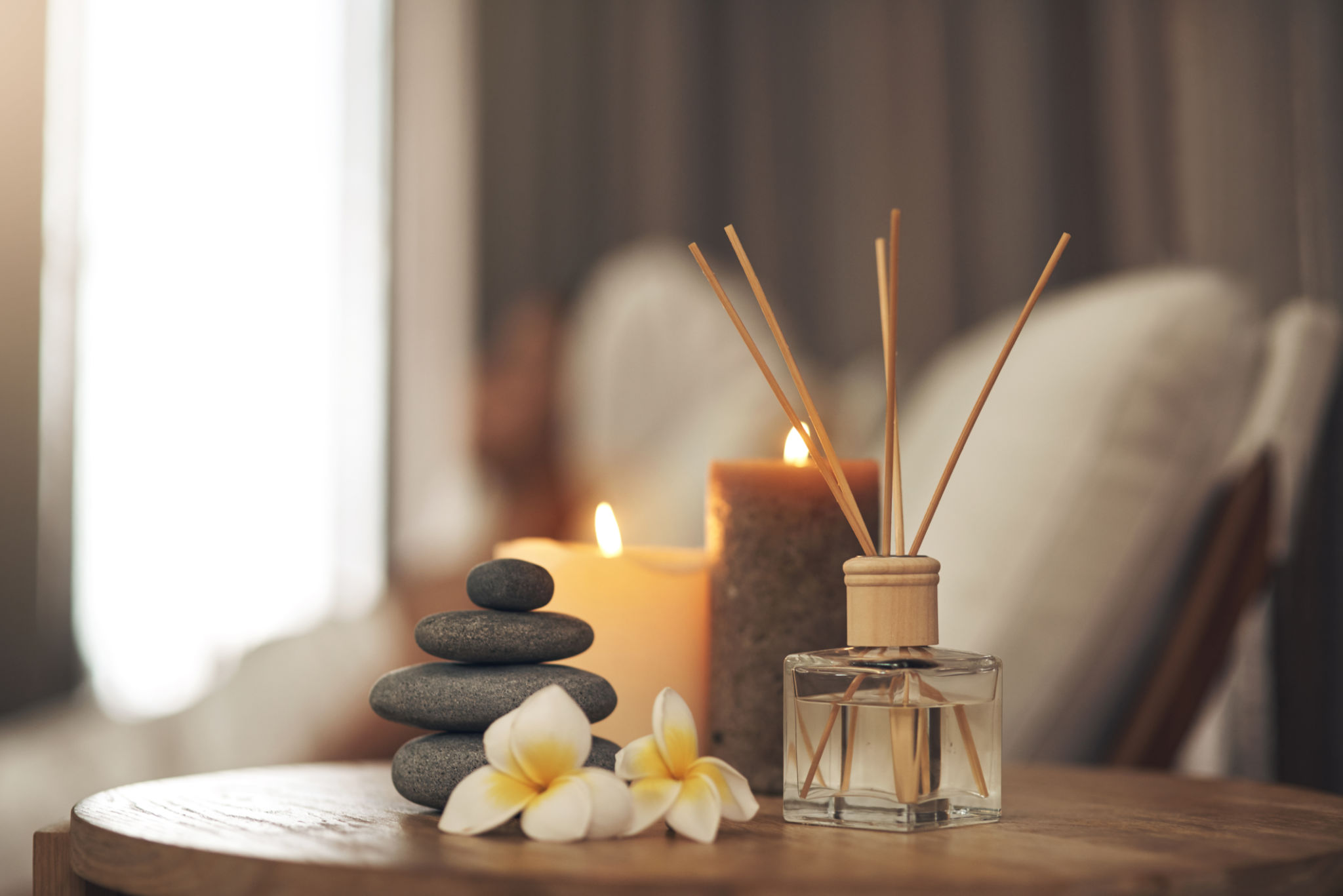
Engaging your senses is an effective way to enrich the sanctuary experience. Consider adding elements like scented candles or essential oil diffusers to create an inviting aroma. Soft lighting, such as string lights or a gentle lamp, can also contribute to a relaxing atmosphere.
- Sound: Include a small speaker for soothing music or nature sounds.
- Touch: Integrate soft blankets or a tactile rug for comfort.

Establishing a Routine
A personal sanctuary is most beneficial when visited regularly. Establish a routine that allows you to spend time in your space daily, even if it's just for a few minutes. This could be used for meditation, journaling, or simply unwinding with a good book.
Being consistent with your visits helps reinforce the sanctuary's role in your life as a place of refuge and self-care. Over time, this practice can significantly contribute to your mental and emotional well-being.
Maintaining Your Sanctuary
To ensure your sanctuary remains an inviting space, maintain its cleanliness and organization. Regularly refresh items like cushions or plant arrangements to keep the environment appealing. Declutter often to prevent distractions and keep the energy positive.
By continuously nurturing your personal sanctuary, you ensure it remains a vital part of your self-care routine, providing peace and balance amid life's chaos.